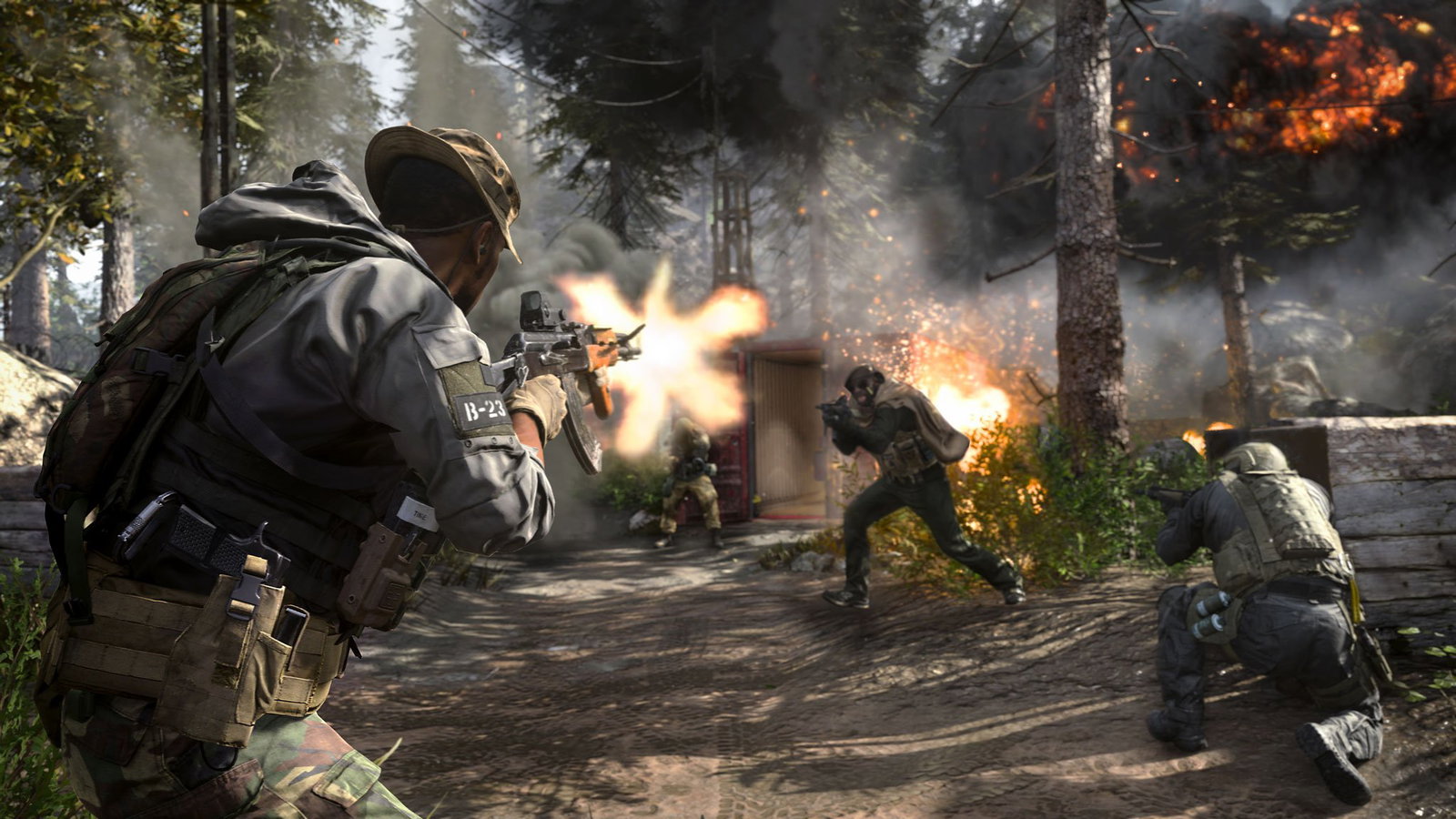
Call of Duty: Modern Warfare presents a multiplayer environment where individual skill exists alongside the need for coordinated team play. Across its various game modes, players encounter situations that encourage communication, awareness, and flexible role choices. Rather than relying on a single approach, teams often adjust their behavior based on objectives, pacing, and player composition. Observing these interactions highlights how coordination and role adaptation shape the overall multiplayer experience.
Understanding Team Structure in Objective-Based Modes
Objective-based modes introduce shared goals that influence how players position themselves and interact with teammates. Tasks such as capturing points or defending areas encourage players to remain aware of each other’s movements. Instead of acting independently, players often align their actions with the needs of the team, responding to shifting situations as objectives change hands.
Coordination in these modes frequently emerges through observation rather than formal planning. Players may naturally fall into supportive or aggressive roles depending on timing and map flow. One player might focus on holding ground while another advances or provides cover. These roles are not fixed but develop through moment-to-moment decisions shaped by the objective’s demands.
As matches progress, team structure may shift based on outcomes and pressure. Losing an objective can encourage more cautious movement, while gaining control may support broader positioning. This fluidity allows teams to adapt without explicit instructions, creating an environment where coordination evolves organically through shared experience and repeated interactions.
Role Flexibility in Fast-Paced Multiplayer Matches
Fast-paced game modes emphasize constant movement and rapid decision-making, often requiring players to adjust roles multiple times within a single match. A player focused on aggressive engagements early on may later adopt a more defensive or supportive role as the situation changes. This flexibility reflects responsiveness rather than predetermined assignments.
Role adaptation often occurs in response to team composition and performance. If a team lacks coverage in certain areas, players may adjust positioning or loadout usage to compensate. These shifts are rarely permanent, instead reflecting immediate needs shaped by match flow and player behavior rather than formal coordination tools.
Over time, players become more comfortable switching roles as circumstances change. This adaptability supports smoother team interactions, as players learn to recognize when to push forward, hold positions, or support teammates. The ability to move between roles without disrupting team balance contributes to a more cohesive multiplayer experience.
Communication Patterns and Shared Awareness
Communication plays a central role in team coordination, even when limited to minimal cues or non-verbal signals. Simple actions such as movement direction, positioning, or engagement timing can convey information to teammates. These patterns help players anticipate each other’s actions without relying solely on voice or text communication.
Shared awareness develops through repeated exposure to similar situations. Players begin to recognize common behaviors, such as when teammates are likely to advance or retreat. This understanding supports smoother coordination, allowing teams to respond more efficiently to threats and opportunities during matches.
As players become familiar with each other’s tendencies, communication becomes more intuitive. Teams may rely less on explicit instructions and more on situational awareness. This shift highlights how coordination can evolve naturally, shaped by shared experiences rather than formal strategies or rigid communication structures.
Loadout Choices and Positional Responsibility
Loadout selection often reflects how players interpret their role within a team. Weapon types, equipment, and perks can influence where players position themselves and how they engage with objectives. These choices are rarely static, as players may adjust their loadouts in response to map layout, opposing behavior, or team composition during a match.
Positioning tends to evolve alongside loadout decisions. Players carrying long-range weapons may gravitate toward overwatch roles, while others equipped for close encounters may focus on movement and pressure. These roles are not formally assigned, but instead emerge through practical use of equipment and situational needs.
As matches progress, players may revisit both loadout and positioning choices. Adjustments can support better coverage, reduce overlap between teammates, or address gaps exposed during gameplay. This ongoing refinement highlights how coordination extends beyond communication, shaping how roles are physically expressed on the battlefield.
Adapting Roles Across Different Game Modes
Modern Warfare’s variety of game modes introduces distinct pacing and objectives, encouraging players to rethink their approach. Modes focused on elimination differ significantly from those centered on area control or progression. Players often adjust their roles to align with the specific demands of each mode rather than applying a uniform playstyle.
In slower-paced modes, players may adopt cautious roles, focusing on observation and timing. Faster modes may encourage frequent engagement and repositioning. These adjustments reflect situational awareness rather than fixed preferences, allowing players to explore different ways of contributing to team success.
Switching between modes can also influence how players perceive their own role within a team. Exposure to varied objectives encourages broader understanding of team dynamics. Over time, this experience supports greater flexibility, as players become more comfortable adjusting their contributions based on the structure and rhythm of each mode.
Coordination Under Pressure and Changing Match Conditions
As matches unfold, changing conditions introduce pressure that tests team coordination. Shifts in score, time constraints, or player availability often prompt quick adjustments. Teams may alter their approach in response to setbacks or opportunities, relying on situational awareness rather than pre-planned tactics. Under pressure, role adaptation becomes especially noticeable. Players might prioritize covering gaps, supporting weakened positions, or slowing down opposing momentum. These changes are often subtle, emerging from immediate needs rather than deliberate discussion. Coordination in these moments reflects responsiveness rather than rigid organization.
Repeated exposure to high-pressure situations helps players develop a sense of timing and anticipation. Over time, teams may respond more smoothly to unexpected changes. This adaptability reinforces the idea that coordination in Modern Warfare is shaped by experience, awareness, and the ability to adjust roles as conditions evolve.
Conclusion
Team coordination and role adaptation in Call of Duty: Modern Warfare develop through interaction, observation, and repeated exposure to varied game modes. Rather than following fixed roles or strategies, players often adjust their behavior based on objectives, pacing, and team needs. This flexibility allows coordination to emerge naturally, shaped by shared awareness and situational response. Across different modes, these dynamics contribute to a multiplayer experience defined by adaptability and collective engagement.